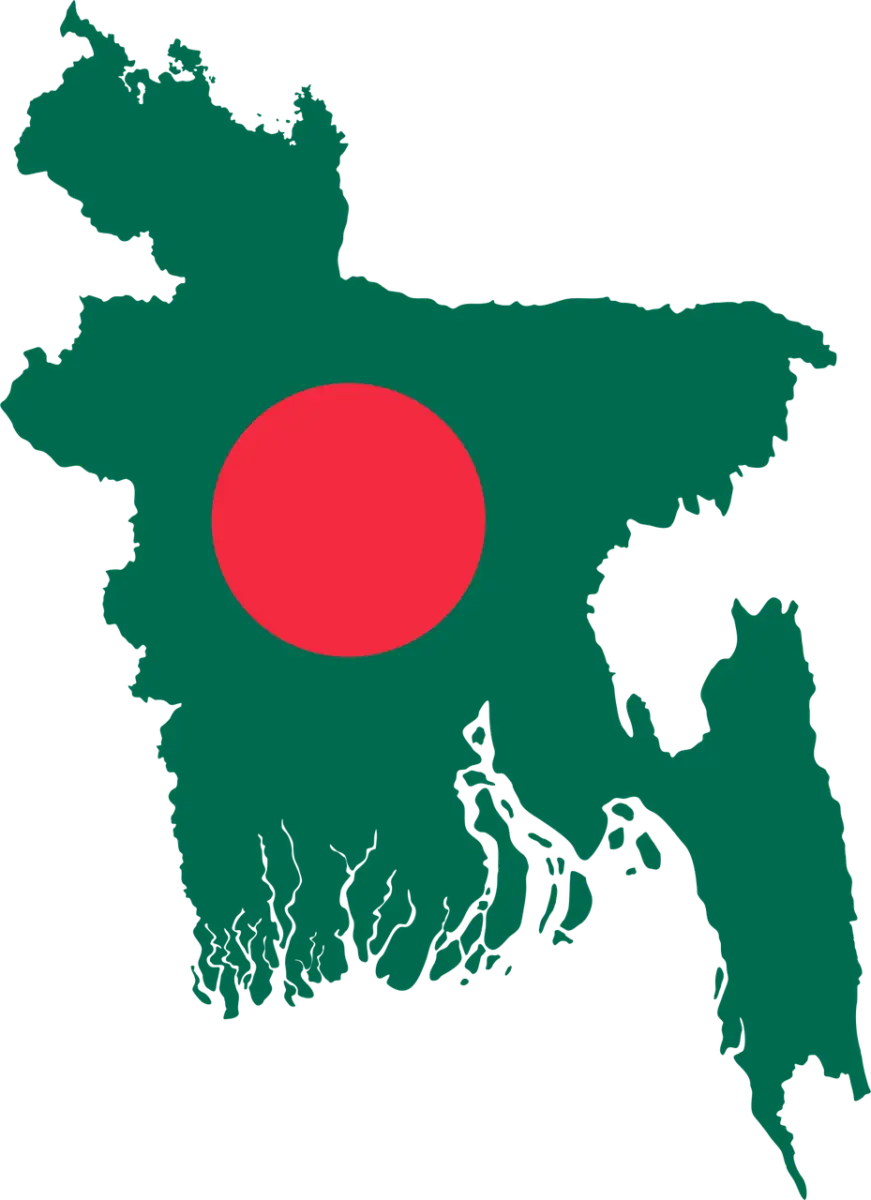
About Bangladesh – A Complete Travel Guide for International Travelers
Bangladesh does not reveal itself at first glance. It unfolds slowly—through river crossings at dawn, through conversations over sweet tea, through villages where time moves to the rhythm of water and seasons. Often overlooked on global travel maps, this South Asian nation rewards those who arrive with patience, curiosity, and an open heart.
Bordered by India and Myanmar and opening southward to the Bay of Bengal, Bangladesh is a country shaped by rivers, resilience, and remarkable cultural depth. For international travelers seeking authenticity rather than spectacle, it offers one of Asia’s most compelling journeys.
At Travelbd360, we explore Bangladesh as it is experienced on the ground—through landscapes, people, history, and everyday life—guided especially for travelers discovering the country for the first time.
Why Visit Bangladesh?
Bangladesh is not a destination of grand monuments alone; it is a destination of moments. A fisherman casting his net at sunrise. Children waving from riverbanks. Hills emerging from morning mist.
Travelers come here not for luxury resorts or polished itineraries, but for:
- An off-the-beaten-path journey largely untouched by mass tourism
- A rare sense of human connection and hospitality
- Extraordinary geographic diversity within a compact country
- Rich opportunities for photography, storytelling, and slow travel
- A travel experience that is affordable, immersive, and deeply real
Those who travel Bangladesh thoughtfully often find it lingers long after the journey ends.
Geography & Landscapes: Life in a River Delta
Bangladesh sits at the heart of the world’s largest river delta, where the Padma, Jamuna, and Meghna rivers converge before meeting the sea. These rivers shape everything—agriculture, trade, culture, and daily life. Seasonal floods renew the land; monsoons transform fields into inland seas.
Landscapes Not to Miss
- Cox’s Bazar – A vast sweep of sand and sea, known as the world’s longest uninterrupted natural beach
- The Sundarbans – A labyrinth of tidal waterways and mangrove forests, home to the Royal Bengal Tiger (UNESCO World Heritage Site)
- Sylhet – Tea-covered hills, rain-fed forests, waterfalls, and spiritual landmarks
- Chittagong Hill Tracts – Cloud-wrapped hills, lakes, and indigenous villages in Bandarban, Rangamati, and Sajek
- Haor Wetlands – Seasonal wetlands like Tanguar Haor, best explored by boat during monsoon months
- River Chars – Remote islands revealing a raw, resilient riverine way of life
Culture, History & Layers of Civilization
Bangladesh’s history spans more than two millennia. It has been home to ancient Buddhist learning centers, flourishing Hindu kingdoms, Islamic sultanates, Mughal governors, and British colonial rule. Each era has left its imprint—sometimes monumental, often quietly embedded in daily life.
Key Historical Sites
- Somapura Mahavihara (Paharpur) – One of South Asia’s most significant Buddhist monasteries (UNESCO)
- Mahasthangarh – The ruins of an ancient fortified city dating back to the 3rd century BCE
- Historic Mosque City of Bagerhat – Striking medieval Islamic architecture (UNESCO)
- Old Dhaka – A living museum of Mughal alleyways, river ports, and colonial mansions
Modern Bangladesh was shaped profoundly by the Language Movement of 1952, a struggle that made Bangla a symbol of identity, dignity, and cultural pride.
People & Indigenous Communities
Hospitality in Bangladesh is not a performance—it is instinctive. Visitors are frequently welcomed into homes, offered tea or fruit, and engaged with genuine curiosity.
Beyond the Bengali majority, dozens of indigenous communities live across the hills and plains, including the Chakma, Marma, Santal, Mro, and Bawm. Their languages, traditions, and relationship with nature add rich layers to the travel experience—especially when approached with respect and sensitivity.
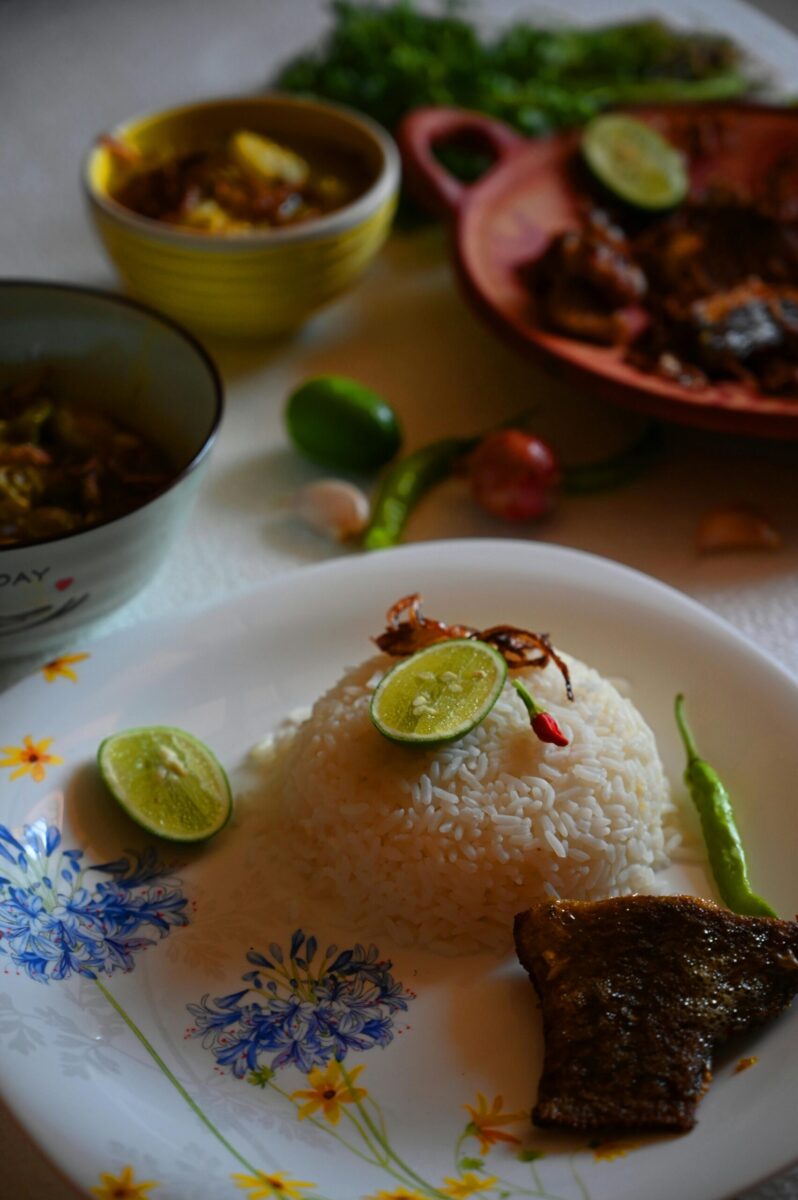
Food & Culinary Traditions
Bangladeshi cuisine is subtle, aromatic, and deeply regional. Rice is central, fish is revered, and spices are used with balance rather than heat alone.
What to Taste
- Hilsa (Ilish) – The national fish, prized for its flavor and cultural importance
- Kacchi Biryani – A celebratory dish of fragrant rice and slow-cooked meat
- Bhuna Khichuri – Comfort food often enjoyed during monsoon rains
- Chingri Malai Curry – Prawns simmered in coconut milk
- Street snacks – Fuchka, Chotpoti, and Jhalmuri, especially in Dhaka
Vegetarian options are widely available, particularly in Hindu and Buddhist regions.
Practical Information for International Travelers
Entry & Visas
Most visitors require a visa. Some nationalities may be eligible for Visa on Arrival—requirements can change, so official sources should always be consulted before travel.
Language
Bangla is the official language. English is commonly understood in major cities, hotels, and tourist services.
Money
The local currency is the Bangladeshi Taka (BDT). Cash is widely used, though ATMs are available in urban areas.
Connectivity
Mobile internet is affordable and reliable in cities. Tourist SIM cards are easy to obtain.
Getting Around
- Trains and river launches provide scenic long-distance travel
- Domestic flights connect major hubs
- Rickshaws, CNGs, and buses handle local transport
Best Time to Visit
- October–March: Cooler, dry season—ideal for most travel
- April–May: Hot, but culturally vibrant
- June–September: Monsoon season—lush landscapes, fewer tourists, dramatic skies
A Suggested First Journey: 7–10 Days
A first visit to Bangladesh is best approached at an unhurried pace.
- Dhaka: Old city alleys, river life, Mughal and colonial heritage
- Sonargaon: Ancient Bengal and the evocative streets of Panam Nagar
- Sylhet: Tea gardens, forests, and wetlands
- Chittagong Hill Tracts: Misty hills, lakes, and indigenous cultures
- Cox’s Bazar: Coastal rest, seafood, and sunset walks
Optional extensions include a multi-day expedition into the Sundarbans mangrove forest.
Is Bangladesh Safe for Foreigners?
Safety is one of the most common concerns for first-time visitors—and understandably so, given how little Bangladesh is represented in mainstream travel media. In reality, Bangladesh is generally safe for foreign travelers, particularly those who approach the country with awareness, patience, and cultural respect.
The Reality on the Ground
Violent crime against tourists is rare. Most visitors experience Bangladesh as a place of curiosity rather than hostility, where foreigners are noticed, welcomed, and often assisted—sometimes with surprising warmth. Hospitality is deeply ingrained, and guests are traditionally treated with respect.
Common Sense Goes a Long Way
As with travel anywhere in the world, safety in Bangladesh depends largely on how and where you travel:
- Stick to well-known areas in major cities
- Avoid political demonstrations or large gatherings
- Keep valuables discreet and secure
- Use reputable transport and accommodations
- Travel with a local guide in remote hill or forest regions
Solo & Female Travelers
Solo travelers—including women—do visit Bangladesh successfully. Modest dress, confidence, and situational awareness significantly reduce unwanted attention. Many female travelers report curiosity rather than harassment, particularly outside nightlife-centered districts.
Health & Environment
- Drink bottled or filtered water
- Be cautious with street food until acclimatized
- Travel insurance is strongly recommended
- Seasonal weather (especially monsoon floods) should be considered when planning routes
Local Help & Support
Bangladeshis are often eager to help visitors—sometimes going out of their way to offer directions, assistance, or advice. Police presence is visible in major cities, and tourist police units operate in popular areas.
In short, Bangladesh is not dangerous—it is unfamiliar. And unfamiliarity often fades quickly once you arrive.
Travel Etiquette & Cultural Awareness
Understanding local customs enhances both safety and experience.
- Dress modestly, particularly outside urban centers
- Ask permission before photographing people
- Remove shoes when entering homes or religious sites
- Respect religious practices and prayer times
- Patience is essential—life moves at a different pace here
Travelers who show respect are met with generosity in return.
Why Travel with Travelbd360?
Travelbd360 is built on firsthand journeys, local insight, and responsible travel values.
- Experience-based guides, not generic summaries
- Honest advice on routes, costs, and logistics
- Emphasis on sustainable and community-aware travel
- A bridge between Bangladesh and the world
Frequently Asked Questions
Is Bangladesh suitable for first-time travelers to Asia?
Yes—particularly for those interested in culture, nature, and meaningful experiences.
Is Bangladesh expensive?
No. It is among South Asia’s most budget-friendly destinations.
Can travelers explore independently?
Yes, though guided travel is recommended in hill tracts and forest regions.
Bangladesh is not a destination to rush. It is one to absorb—slowly, thoughtfully, and with respect.
Discover it with Travelbd360.
One response
[…] Whether you’re a local traveler or an international tourist planning your first trip to Bangladesh, this Sajek Valley travel guide 2026 covers everything you need to know—from routes and travel costs to hotels, safety, and insider tips. If you are from out of the Bangladesh you can also read my another article about Bangladesh travel guide for foreigners. […]